DATES
Leave birthdays out
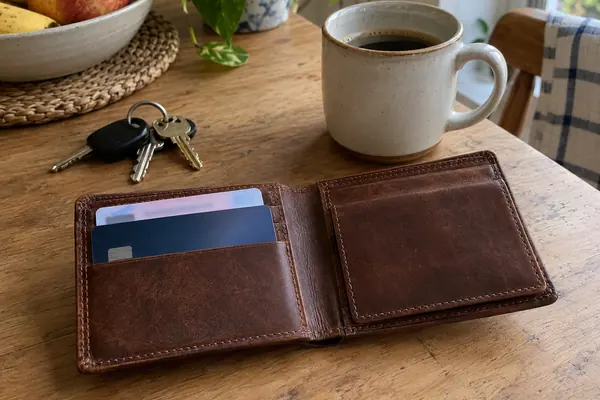
Cambridge researchers found 99% of card users carry something showing their birth date. Knowing it made a stolen card's PIN far easier to guess.
See the numbers doodlepin
WHAT THE RESEARCH SAYS
A PIN is only as strong as it is unpredictable.
Check your method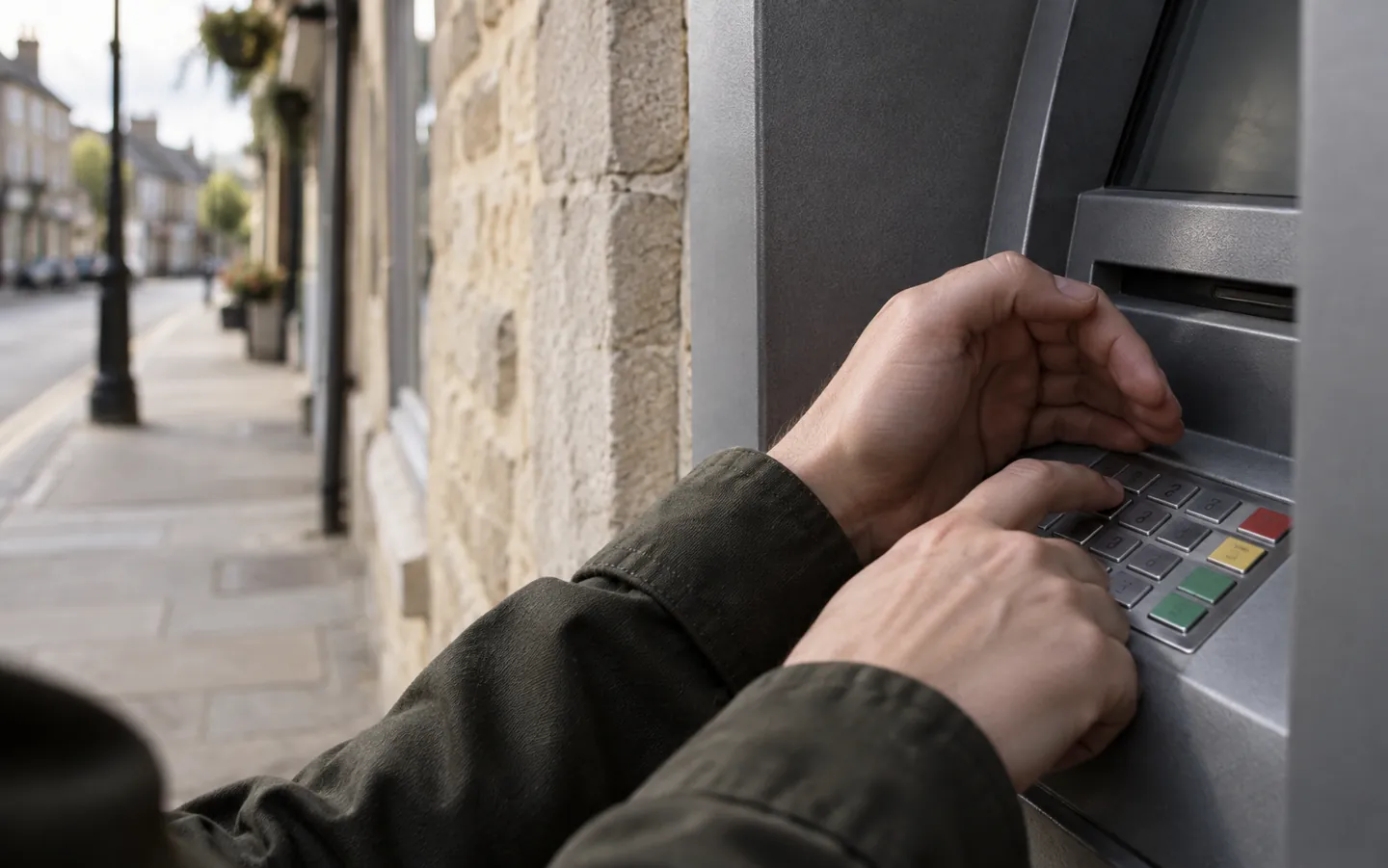
NOT YOURbirthday
Research on real bank and phone PINs keeps finding the same thing: people lean on dates and simple shapes. UK guidance adds the other half: keep it hidden and never share it.
Updated
THE SHORT ANSWER
Most guessable PINs follow a rule.
Thieves know the rules too.
DATES
Cambridge researchers found 99% of card users carry something showing their birth date. Knowing it made a stolen card's PIN far easier to guess.
See the numbersPHONES
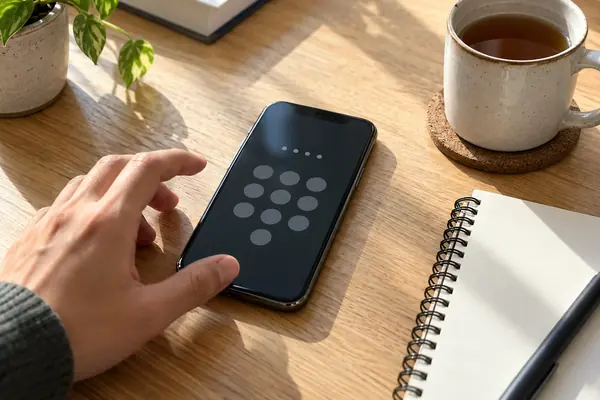
The National Cyber Security Centre advises a PIN or strong password on each device, a different one for each, with fingerprint or face recognition as a bonus.
What to doCASH MACHINES
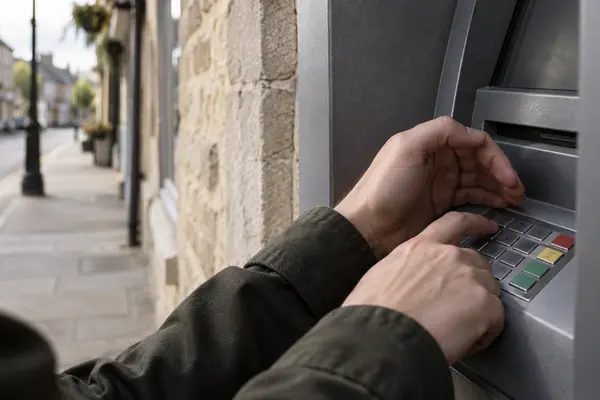
UK police advice: stand close and shield the keypad with your free hand and body, so prying eyes and hidden cameras cannot see it.
Check your methodA QUICK METHOD CHECK
Pick the way a PIN was chosen to see how common that method was among bank customers in a University of Cambridge survey. The bar shows how much easier the method makes guessing.
Shares are of four-digit bank PINs in the survey. This is general information; follow your own bank's advice.
TWO NUMBERS WORTH KNOWING
One figure on stolen wallets,
one on what a known birthday adds.
1 in 11–18
Wallets per successful card use
The Cambridge team estimated a competent thief would get use of a card once for every 11 to 18 stolen wallets, depending on whether banks block weak PINs.
STOLEN WALLETS · CAMBRIDGE
5.52%
Chance of guessing with the birth date known
With three tries at a cash machine, the estimated guessing rate rose from 1.44% with no clues to 5.52% when the thief knew the cardholder's birth date.
THREE GUESSES · CAMBRIDGE
The same survey found 34.3% of people with more than one PIN-protected card used the same PIN on all of them, and 52.8% had shared a PIN so someone could borrow their card.
FOUR HABITS TO TRY
None of this needs a gadget. It is about picking a number with no story behind it and keeping it out of sight.
The Cambridge researchers advise cardholders never to use a date of birth. If yours is a date, ask your bank how to change it.
The NCSC advises a different PIN or password for each device. Reuse means one guess can open more than one door.
Stand close to the machine and cover the keys with your free hand and body, as UK police advise.
Police say your bank and the police will never ring and ask you to verify your PIN. If a call asks, end it.
PHONES TOO
The NCSC suggests a 6-digit PIN or a strong password for phones and tablets, and to avoid guessable PINs. The UK government's Stop! Think Fraud campaign adds: switch on auto-lock so the screen locks when idle.
A study of 1,220 user-chosen phone PINs found that, against an attacker limited to a few guesses, people's 6-digit choices gave little or no extra security over 4-digit ones. Length helps only when the digits are unpredictable.
Questions
Because it is easy to find. Cambridge researchers found 99% of card users carry something showing their birth date, and knowing it raised the estimated three-guess success rate from 1.44% to 5.52%.
In the Cambridge survey, PINs that were random or bank-assigned were the hardest group to guess. The risk comes from PINs chosen by a rule such as a date or a pattern.
The NCSC recommends 6 digits for devices. But a study of 1,220 user-chosen PINs found people's 6-digit choices gave little extra protection against a few guesses, so choose digits that have no pattern.
No. UK police say your bank and the police will never ring and ask you to verify your PIN, or ask you to type it into your phone to authorise something.
Police advice is not to use a cash machine that looks unusual or tampered with, and to be cautious of strangers who offer to help.
ABOUT THIS NAME
doodlepin.com is part of the DoodleSale portfolio. It isn't in an auction right now, but you can ask about leasing it.